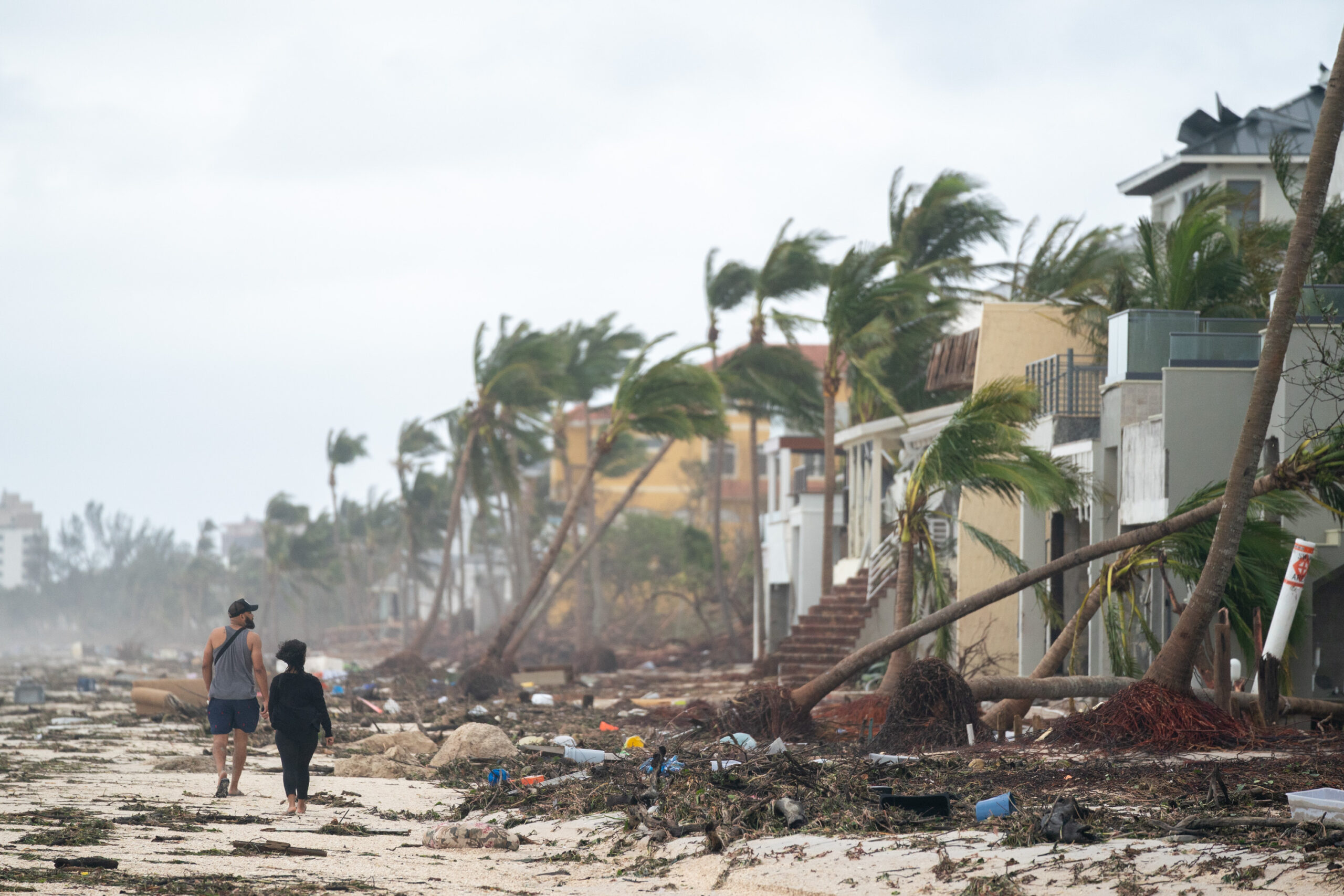
Alabama just did something that would have seemed unlikely a decade ago. In April, the state signed Senate Bill 137 into law — a statewide risk and vulnerability assessment, a cross-agency resilience council with a seat for real estate voices, and a newly created chief resilience officer. The bill never uses the words "climate change." It doesn't need to. It's framed entirely around economics: predicting disaster costs, protecting property values, and giving insurers and lenders something consistent to underwrite against.
That framing matters, and it tells you where this is actually headed.
The Numbers Behind the Shift
The United States has logged more than 400 billion-dollar weather events since 1980, and the annual frequency of those events rose 180% between 2013 and 2023. Insurance prices have responded accordingly — double-digit annual increases since 2020, with some carriers pulling out of high-risk markets entirely. Coverage isn't just getting more expensive. In some places, it's getting harder to find at any price.
Alabama isn't alone. South Carolina stood up a dedicated Office of Resilience back in 2020. North Carolina, Arizona, and Connecticut have launched or expanded their own statewide resilience planning efforts. New Jersey now requires forward-looking flood risk data in development standards. Colorado is forcing insurers to disclose their catastrophe models and factor mitigation directly into pricing.
What's notable is who's pushing for this. It isn't environmental advocacy groups leading the charge in these states — it's builders and developers. Brian Connolly, CEO of the economic feasibility consultancy Feasibly, put it plainly: insurers have been paying closer attention because the losses were "hurting their bottom line, their stock price." When the people writing the checks start changing their math, the rest of the market follows.
Why the Private Sector Has a Seat at the Table
One detail from the reporting stands out: researchers note that the private sector brings perspective and historical context to resilience planning that a spreadsheet alone can't capture. That's a polite way of saying developers have been living with these costs for years, long before legislators caught up. A homebuilder who lived through Hurricane Sally in coastal Alabama in 2020 helped shape the very legislation now being celebrated. The lesson is simple: building decisions made years ago are now showing up as line items on insurance renewals and underwriting models today.
What This Means for the Building You're Designing Right Now
If you're developing multifamily or hospitality projects, this isn't an abstract policy trend. It's underwriting reality, and it's arriving at your renewal notice whether or not your state has passed a resilience bill yet.
Wood-frame construction carries the highest exposure to wind, fire, and water damage of any common building system — and insurers increasingly price that exposure accordingly. Concrete construction tells a fundamentally different story to an underwriter. A reinforced concrete wall system doesn't burn, doesn't rot, and resists wind loads that level wood-framed structures. Polycrete USA's Insulated Concrete Form system carries a four-hour fire rating, eliminates the mold and moisture vulnerabilities inherent to wood assemblies, and has a documented track record of surviving direct hurricane impacts with structures still standing after wood-framed neighbors were leveled.
That performance shows up directly in the underwriting math. Builder's risk insurance on concrete construction has run 23% to 68% lower than comparable wood-frame projects across markets from New Jersey to Florida to California. Annual property insurance on completed concrete buildings shows a similar gap. For a developer holding a multifamily or hospitality asset for the long term, that differential compounds every single year the building stands.
The Builders Who Get Ahead of This
The legislative trend described in this reporting is a lagging indicator. States are catching up to a risk that underwriters have already started pricing into renewals. The builders who get ahead of it — who choose resilient construction now, before their state passes its own version of Alabama's bill — are the ones who will have already locked in lower insurance costs, stronger asset values, and a structure that, as the satellite photos from Hurricane Sally showed, is still standing without a blue tarp on the roof when the storm passes.
Resilience economics isn't a future consideration. It's already on your insurance renewal. The only question is whether your next building is designed to win that conversation or lose it.
---
*Polycrete USA manufactures the largest Insulated Concrete Form block on the market, purpose-built for commercial, multifamily, and hospitality construction. To learn more about how ICF construction affects long-term insurance and operating costs, visit PolycreteUSA.com or call 1-800-570-4313.*